Dog Elbow Calluses: Causes, Treatment and When to Worry
What causes a dog elbow callus, how to soften it with bedding and balm, and how to tell a harmless callus from a hygroma or sore that needs a vet.
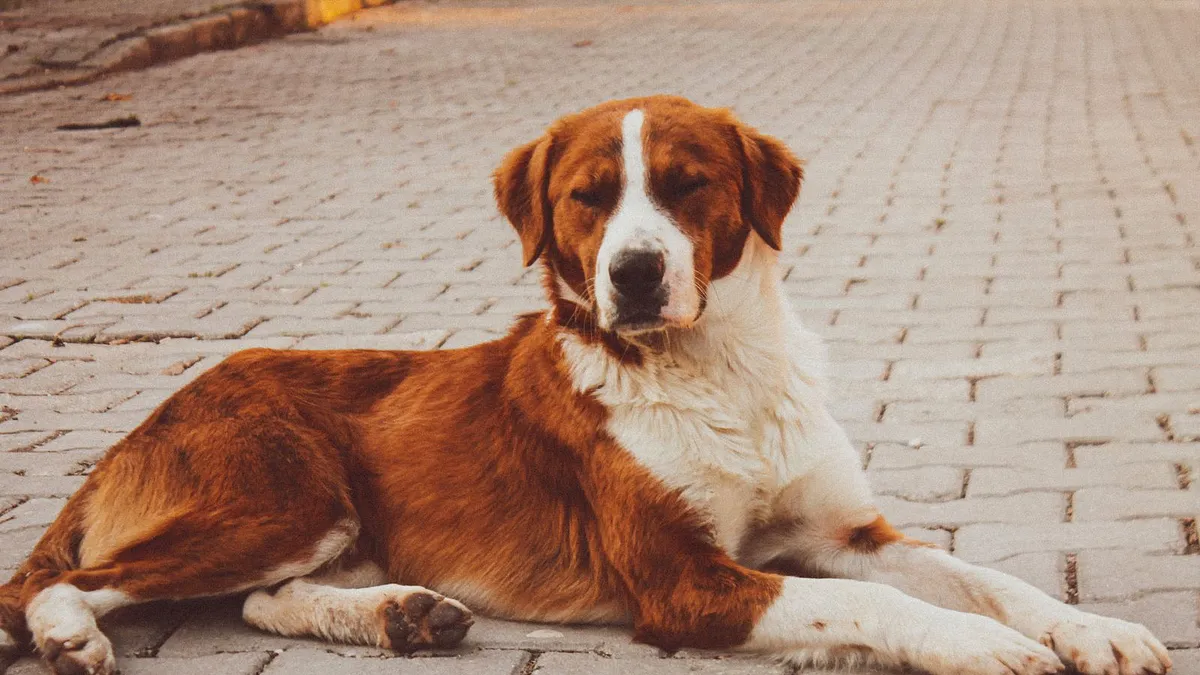
Quick answer
A dog elbow callus is thickened, hairless, grey skin that forms where the bony elbow presses against hard floors, most often in large, heavy or older dogs. Most are harmless. Soft, padded bedding is the single best fix, with a dog-safe balm to soften the skin. See a vet if it cracks, bleeds, swells or oozes.
That grey, hairless, thickened patch on your dog’s elbow is almost certainly a callus, the skin’s way of protecting a bony pressure point against hard floors. It is one of the most common skin changes we see in large, heavy and older dogs, and in most cases it is cosmetic rather than a health problem.
The fix usually starts with the bed, not the skin. In this guide we explain what causes calluses on dog elbows, how to soften one at home, and (most importantly) how to tell a harmless callus from a hygroma or pressure sore that genuinely needs your vet.
Key takeaways
- Soft, padded bedding is the single biggest treatment and prevention. Remove the hard surface and the callus usually stops getting worse.
- A callus is dry, firm and painless. A hygroma is a soft, fluid-filled swelling, and a pressure sore is broken, weeping skin. The last two need a vet.
- Never cut, file or pick at a callus. Soften it gradually with a dog-safe moisturising balm instead.
What is a dog elbow callus?
A dog elbow callus is an area of thickened, hairless, often grey or darker skin over the bony point of the elbow. Skin responds to repeated pressure and friction by building up extra layers of tough, protective keratin, the same protein that makes up nails and paw pads.
The medical name for that thickening is hyperkeratosis, which simply means too much keratin. It is the same process we cover in our full guide to hyperkeratosis in dogs, and the same reason some dogs develop crusty thickening on the nose. On the elbow it usually shows up as a dry, wrinkled, bald patch, often on both elbows at once. A typical callus is not painful, and plenty of big dogs carry them for years without any bother.
What causes calluses on a dog’s elbows?
Lying on hard floors causes almost all elbow calluses. The elbow is a bony point with very little natural padding, so every time a heavy dog flops down onto tile, laminate, wood or concrete, the skin over that point takes the impact and the sustained pressure. The MSD Veterinary Manual describes exactly this mechanism of repeated pressure over bony prominences in dogs that lie on hard surfaces, and VCA Animal Hospitals notes that large and giant breeds lying on hardwood, tile or concrete are the classic case.
Some dogs are far more likely to develop them:
- Large and giant breeds. More weight pressing on the same small bony point. The MSD Veterinary Manual names breeds such as Great Danes, Mastiffs and German Shepherds as commonly affected by elbow pressure problems.
- Older dogs. Dogs with stiff or arthritic joints spend more of the day lying down, so the pressure adds up. PDSA recommends memory foam beds for exactly this group because they are kind to joints.
- Overweight dogs. VCA points out that extra weight greatly increases the trauma to the tissue over bony points, so keeping your dog lean genuinely protects their elbows.
Are elbow calluses bad for dogs?
Usually not. A stable, dry, painless callus is cosmetic, and in our experience most owners notice it long before the dog does. The job at that stage is simply to stop it progressing.
A callus becomes a problem in three situations. First, very dry calluses can crack, which lets bacteria in and can lead to infection (look for redness, heat, swelling, oozing or obvious soreness). Second, ongoing pressure on the same spot can break the skin down into an open pressure sore. The MSD Veterinary Manual’s wound guidance explains that pressure wounds develop when there is pressure on the same spot for a long time, and that a soft bed and regular position changes are key to preventing them. Third, the same repeated trauma can produce a hygroma, which we cover next.
One more flag worth knowing: a dog that suddenly starts licking or chewing at an elbow callus is telling you something has changed. And if your dog is licking lots of places, not just the elbow, the callus may not be the real issue; our guide to itchy paws in dogs covers the common causes of that broader itch.
What is the difference between a callus and a hygroma?
A callus is thickened, dry skin. A hygroma is a soft, fluid-filled swelling that forms under the skin over the same pressure point. According to VCA Animal Hospitals, a hygroma is a fluid-filled swelling surrounded by a thick capsule of fibrous tissue, most commonly found over the elbow, and it develops in response to the same repeated trauma from lying on hard surfaces. Hygromas are typically not painful at first, but VCA is clear that if one grows large or becomes infected it needs antibiotic treatment and may need surgery.
| Elbow callus | Hygroma | |
|---|---|---|
| What it feels like | Dry, firm, thickened skin, part of the skin itself | Soft, squashy, fluid-filled lump under the skin |
| How it looks | Grey, hairless, wrinkled patch | A raised swelling, small at first, can grow noticeably |
| Pain | Painless | Usually painless early on; painful if infected |
| What to do | Soft bedding plus a moisturising balm at home | Soft bedding plus a vet check; large or infected ones may need draining, antibiotics or surgery |
The good news is that both share the same root cause and the same first-line fix. Both the MSD Manual and VCA list padded bedding and protecting the pressure point as the starting treatment for hygromas, and small ones often settle with padding alone. The difference is that a hygroma deserves a vet’s assessment, because you cannot safely tell at home whether it needs draining or is brewing an infection.
How do you treat a dog elbow callus?
Dog elbow callus treatment is a two-part job: remove the pressure that built the callus, then soften the skin that is already there. Here is the routine we would follow at home.
- Upgrade the bed. This is the single biggest fix. VCA recommends memory foam or egg-crate foam beds for dogs with elbow pressure problems, PDSA notes memory foam beds are kind to joints, and Blue Cross advises lots of soft, cushioned bedding for older dogs. Put a proper padded bed in every room your dog actually naps in, not just the one you would like them to use.
- Cover their favourite hard spots. Most dogs have a preferred patch of cool kitchen floor. Rather than fight it, soften it: VCA suggests covering those areas with interlocking foam tiles, and a thick rug or mat works too.
- Soften the callus with a dog-safe balm. A thin layer of a moisturising balm made for dogs, once or twice a day, gradually softens the thickened skin and helps prevent cracking. Some owners use a small amount of coconut oil for this; we weigh up the evidence in our [honest guide to coconut oil for dogs](/blog/coconut-oil-for-dogs/). Apply it before a meal or a short walk so it soaks in rather than being licked straight off. Expect progress over weeks, not days.
- Keep your dog lean. VCA highlights that extra weight increases the trauma over bony points every single time your dog lies down. Weight control is genuine callus prevention.
- Check the elbow weekly. Run a thumb over the callus once a week. You are feeling for cracks, heat, new swelling, softness or fluid, and watching for any sign it bothers your dog.
Can you stop elbow calluses coming back?
Yes, but the bedding has to stay. A callus is a response to pressure, so if the orthopaedic bed disappears or the dog goes back to concrete, the skin thickens again. In our experience the callus itself fades slowly once the pressure is gone: it softens and shrinks over months, though the bald patch often remains to some degree, which is purely cosmetic. For young giant-breed dogs, starting with padded bedding early is far easier than reversing an established callus later.
See a vet now if
- The callus has cracked and is bleeding or weeping.
- The area is red, hot, swollen or clearly painful to touch.
- A soft, fluid-filled swelling has appeared on the elbow, or an existing one is growing.
- There is an open sore that is not healing, or your dog is limping on that leg.
An elbow callus is one of the few dog skin problems where the honest answer really is this simple: it is the floor, not the dog. Sort the bedding, soften the skin, keep an eye out for the fluid-filled or broken-skin versions that need professional help, and most calluses stay exactly what they are, a harmless badge of a big dog who loves a good lie down.
What causes calluses on a dog's elbows?
Repeated pressure. The point of the elbow is bony with very little natural padding, so when a dog lies on hard floors (tile, laminate, concrete) day after day, the skin over that point thickens to protect itself. Large, heavy and giant breeds are most affected, along with older dogs who rest more and overweight dogs, because extra weight increases the pressure on those bony points every time they lie down.
How do you treat a dog's elbow callus?
Start with the bed, not the skin. A soft orthopaedic or memory foam bed in every spot your dog naps removes the pressure that created the callus, and foam mats or rugs can cover favourite hard-floor spots. Then soften the callus gradually with a thin daily layer of a dog-safe moisturising balm. Never cut, file or pick at it. If it cracks, bleeds or looks infected, see your vet.
Are elbow calluses bad for dogs?
Usually not. A typical callus is dry, painless and cosmetic, and many dogs live happily with them for years. They become a problem if the skin cracks and bleeds, gets infected (red, hot, swollen or oozing), or if the constant pressure progresses to a fluid-filled hygroma or an open pressure sore. Check the callus weekly and involve your vet if it changes, grows or seems sore.
How do I soften my dog's elbow callus?
Apply a thin layer of a dog-safe moisturising balm once or twice a day, then give your dog something to do for a few minutes so it soaks in rather than being licked straight off. Expect gradual change over weeks, not days. Softening only works alongside soft bedding, because the callus will keep rebuilding if the elbow still lands on hard floor. Avoid perfumed human lotions, as dogs lick what we apply.
What is the difference between a callus and a hygroma?
A callus is thickened, dry, hairless skin, firm to the touch and part of the skin itself. A hygroma is a soft, squashy, fluid-filled swelling that forms under the skin over the same pressure point. Veterinary sources describe hygromas as usually painless at first, but they can grow large or become infected, so any new soft swelling on the elbow deserves a vet check, while a stable dry callus usually just needs better bedding.
The Barking newsletter
Get calmer, vet-sourced advice.
One friendly email when we publish something worth your dog’s while. No spam, no scares.